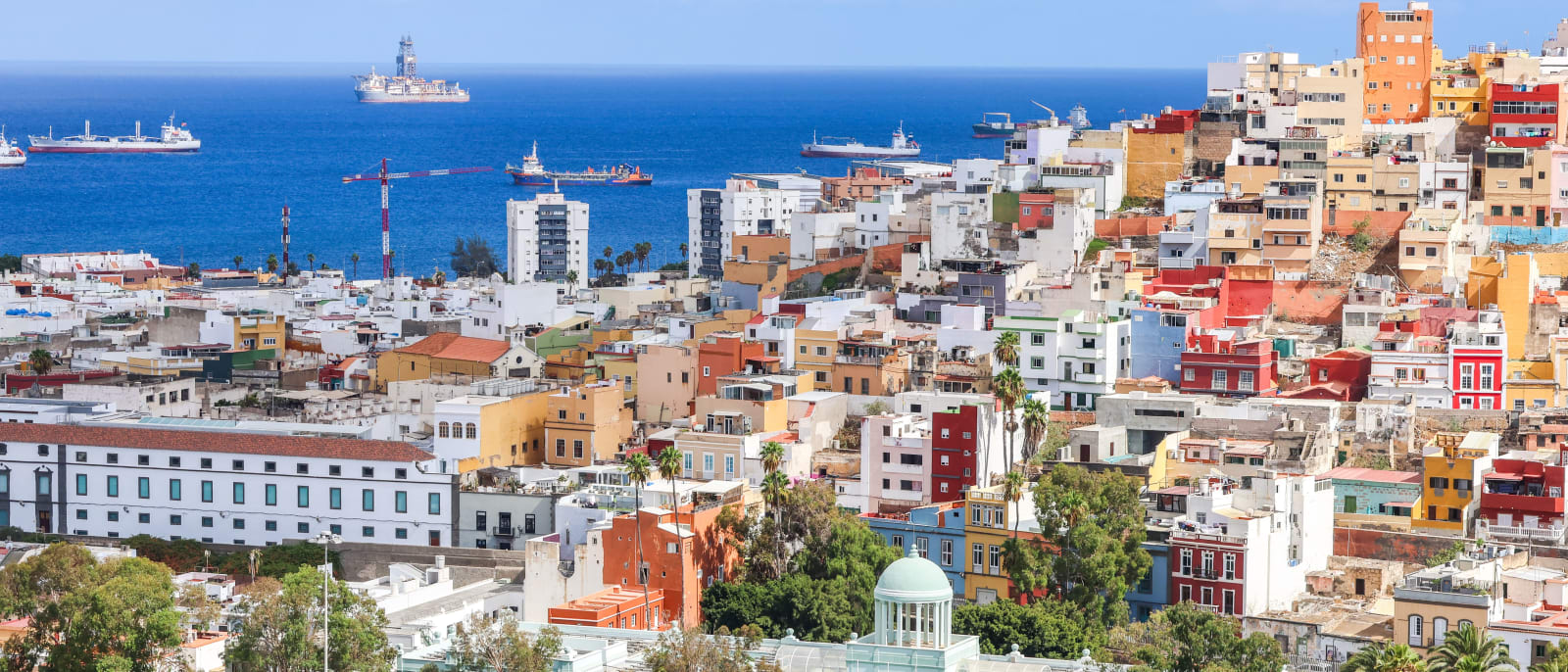
Las Palmas de Gran Canaria
Guide to Las Palmas de Gran Canaria
The island's capital and the most populous city in the Canaries: a working port with a city beach and no resort strip.
Las Palmas de Gran Canaria is the island's capital and the most populous city in the Canary Islands. It fills a long stretch of the north-east coast, and it is…Las Palmas de Gran Canaria is the island's capital and the most populous city in the Canary Islands. It fills a long stretch of the north-east coast, and it is a place where people live and work rather than a resort: a large working port, offices, and residential streets of colour-washed houses climbing the hills behind the seafront. Visitors who stay here are choosing a Spanish city with a beach attached, not a pool and a sunbed.
The beach is Las Canteras, on the western side of the narrow isthmus that joins La Isleta to the rest of the city, with the port on the eastern side. Santa Catalina and Guanarteme, the districts behind the beach, are the obvious base for a stay by the sea. Triana, further south, is the older shopping district, and beyond it is Vegueta, the historic quarter, which has its own page here.
Staying in the capital does not put the rest of the island out of reach. Aena puts the airport 18 kilometres from the city, and the routed drive there from the centre is under half an hour. The GC-1 starts here and runs south to the resorts, with Maspalomas about fifty minutes away, and the GC-2 follows the north coast, with Agaete about 35 minutes off. Teror, inland, is just over half an hour.
What Las Palmas does not suit is a car left on the street all day. Regulated parking in the centre is marked in blue and paid, with a two-hour maximum, and green bays are for residents. For a week of city and beach, a car earns its keep on the days out, not in town.
Showing 12 of 74 results
Nearby places in Gran Canaria
Other places around the bay, sorted by distance.
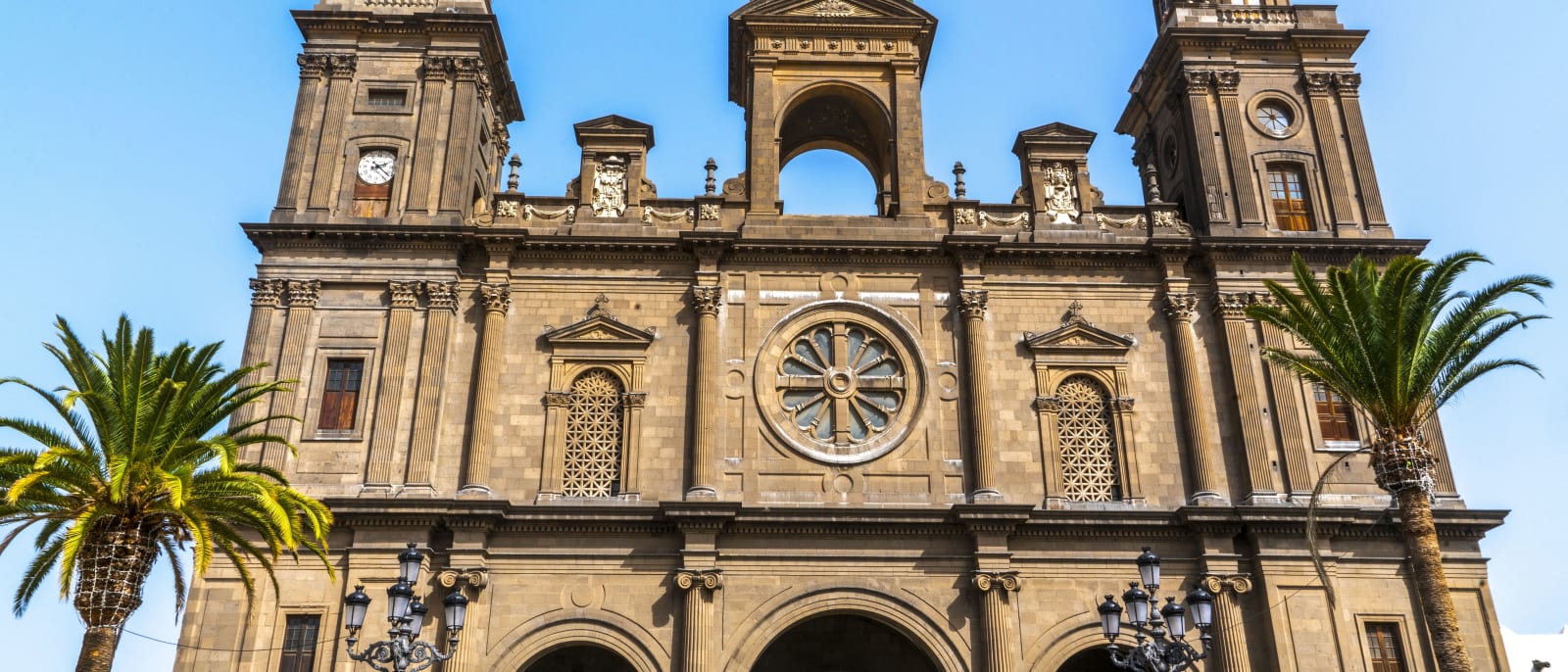
Vegueta
The historic quarter of Las Palmas, where the city began: the cathedral, cobbled streets and old houses, a short walk from Triana.
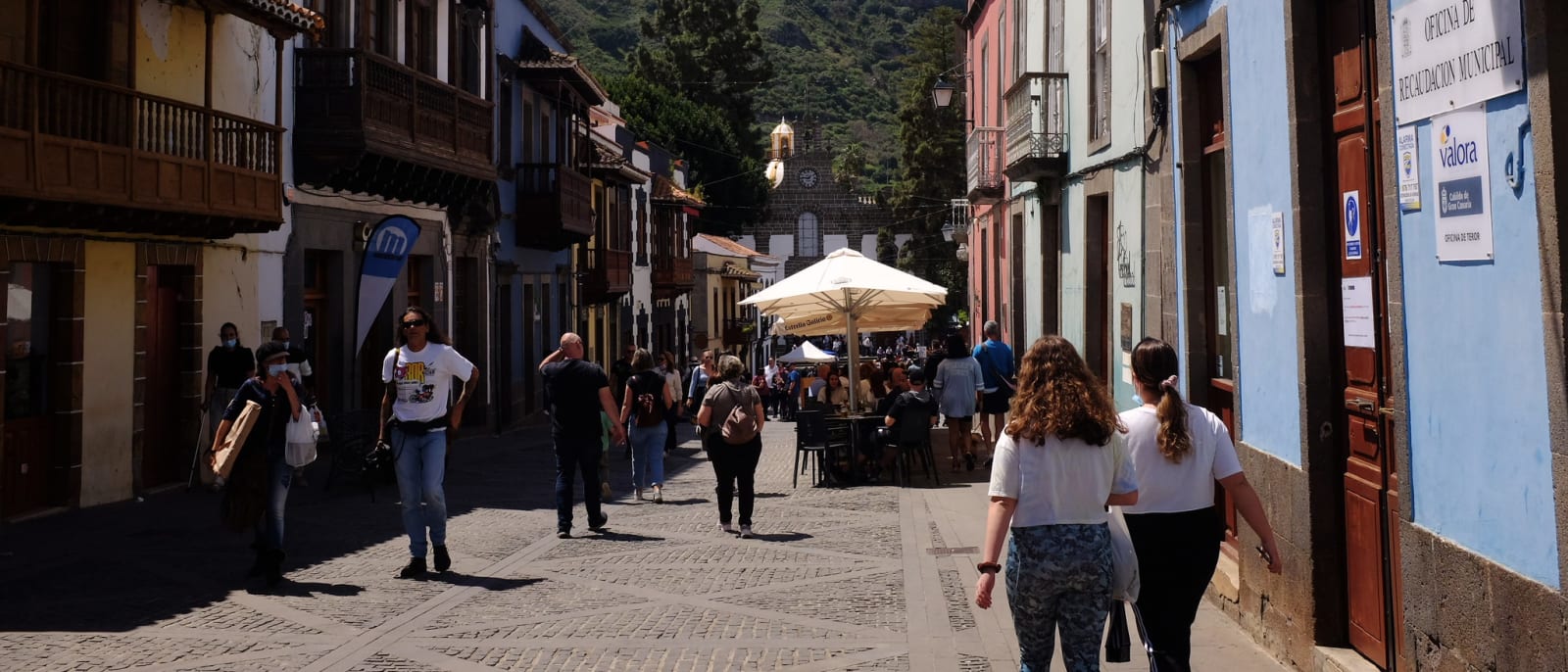
Teror
A town in the northern hills with the basilica of the Virgen del Pino, the island's patron, and a balconied main street.
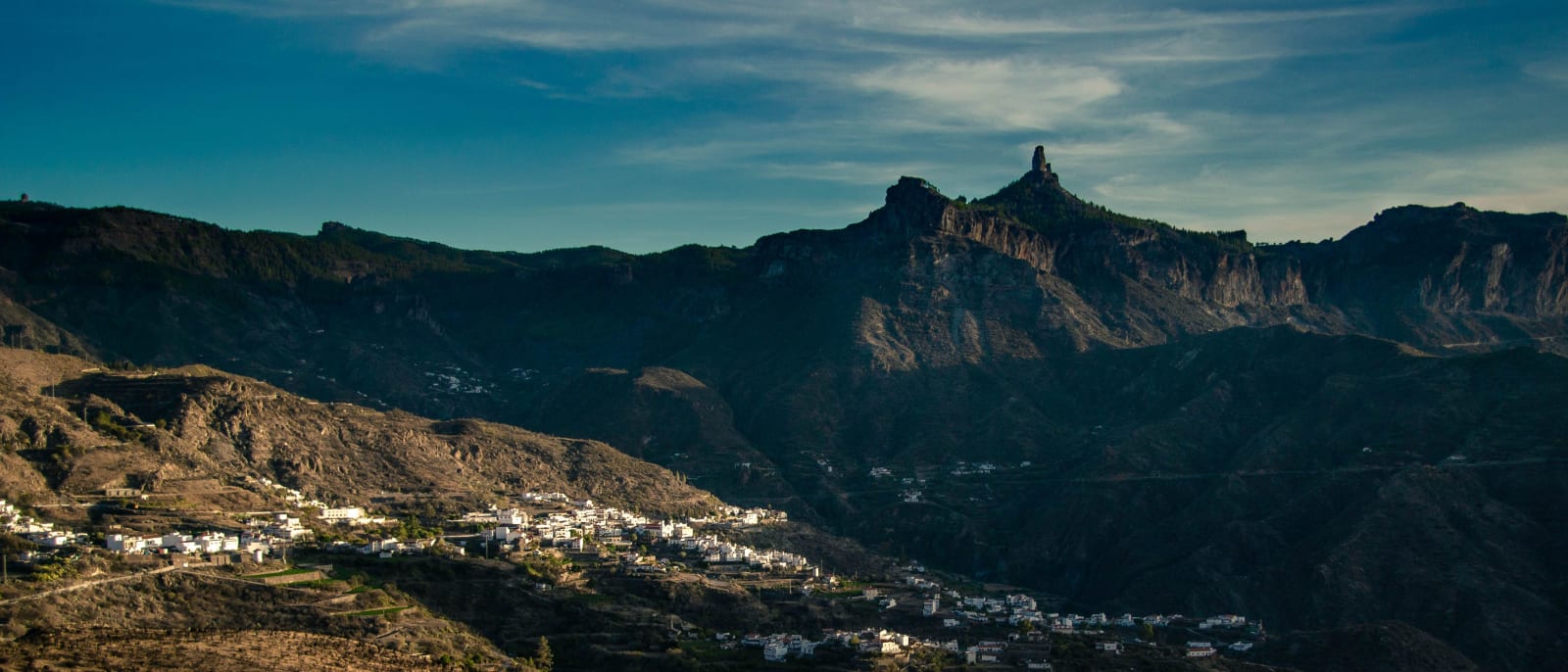
Tejeda
A mountain village at 1,050 metres in the centre of the island, below the caldera's rock pinnacles and Roque Nublo.
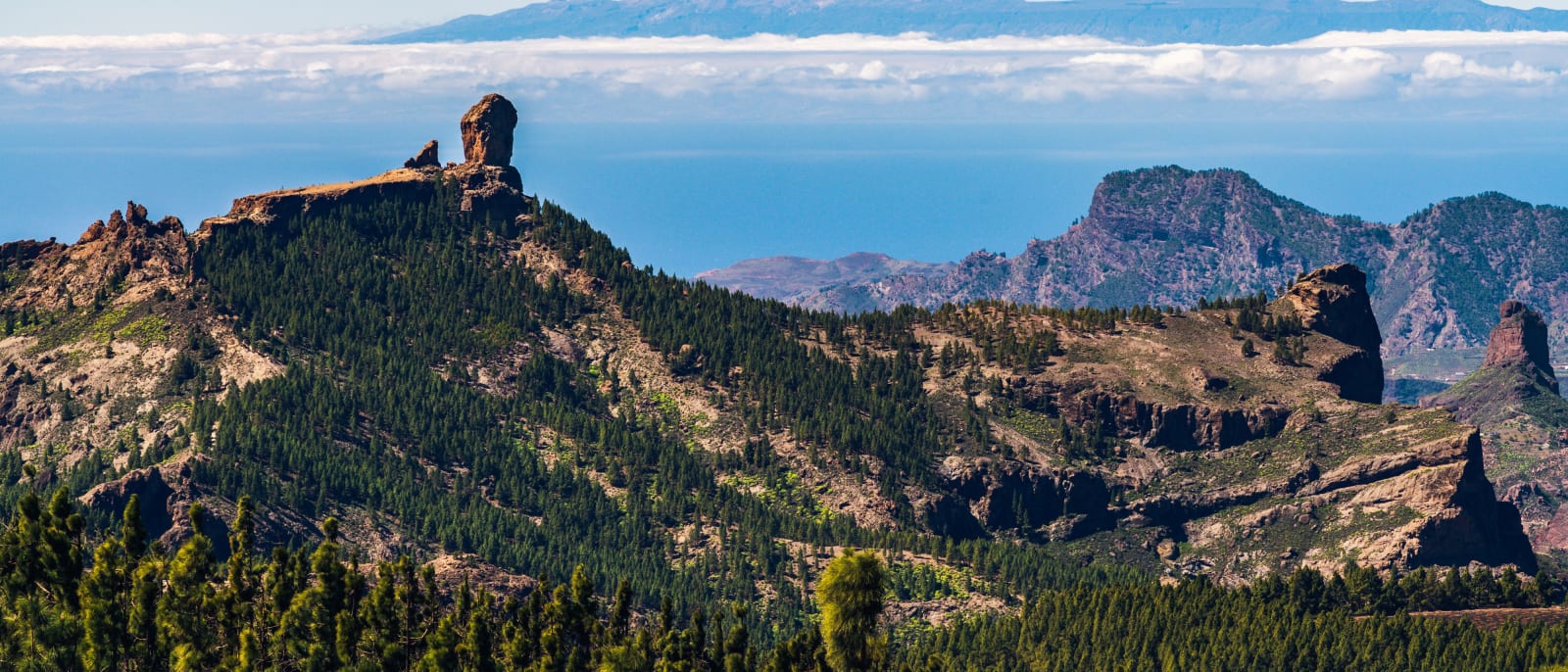
Roque Nublo
The rock pinnacle at the island's centre, a protected natural monument reached on foot by a trail that must be booked.
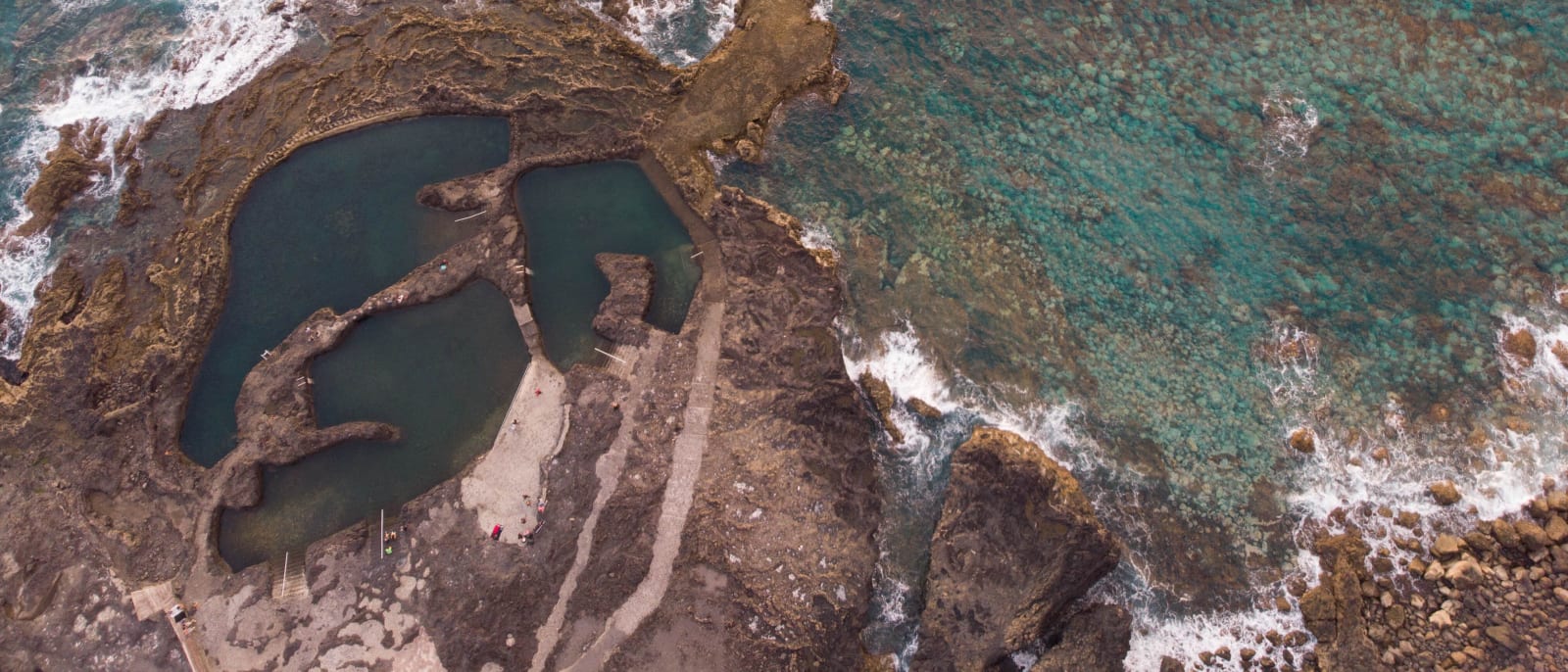
Agaete
A town in the island's north-west, with the fishing harbour of Puerto de las Nieves and natural rock pools beside the cliffs.
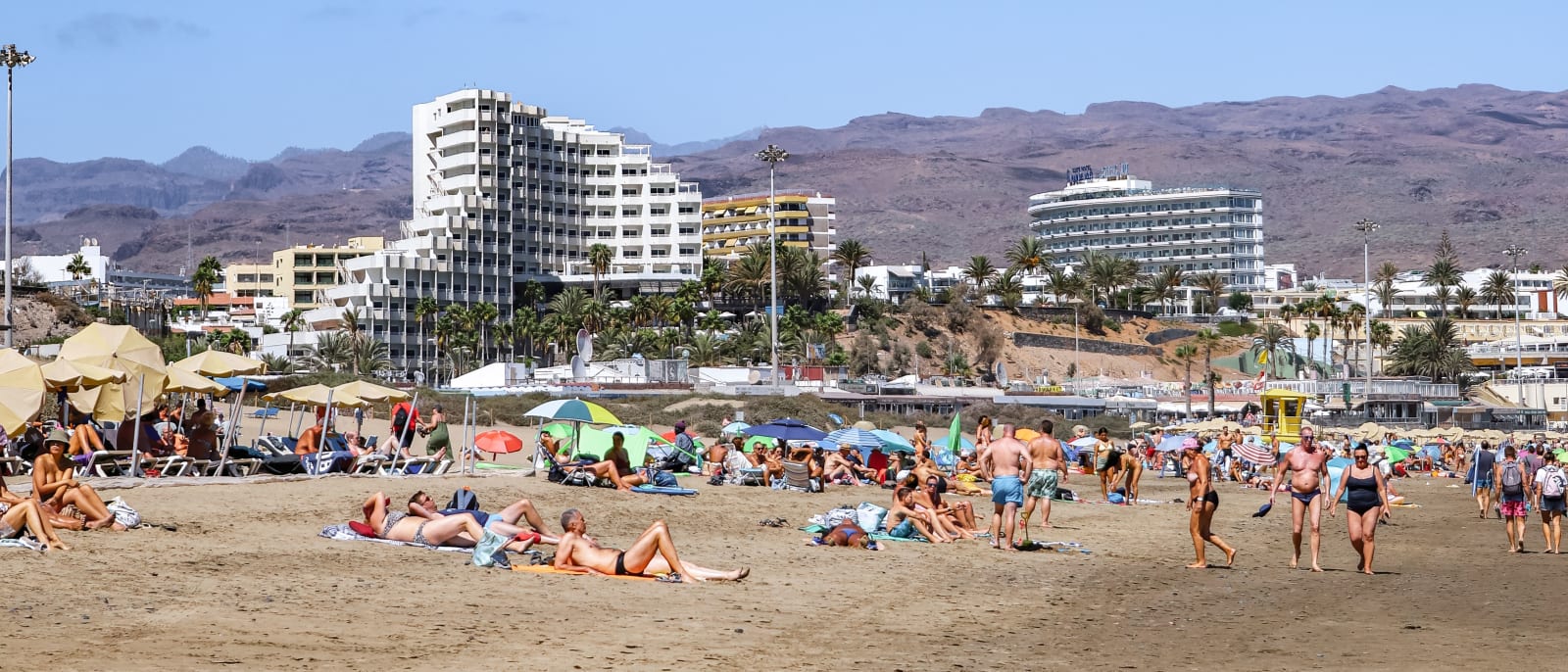
Playa del Inglés
The best-known and most densely populated part of the Maspalomas coast, with a long beach that runs into the protected dunes.